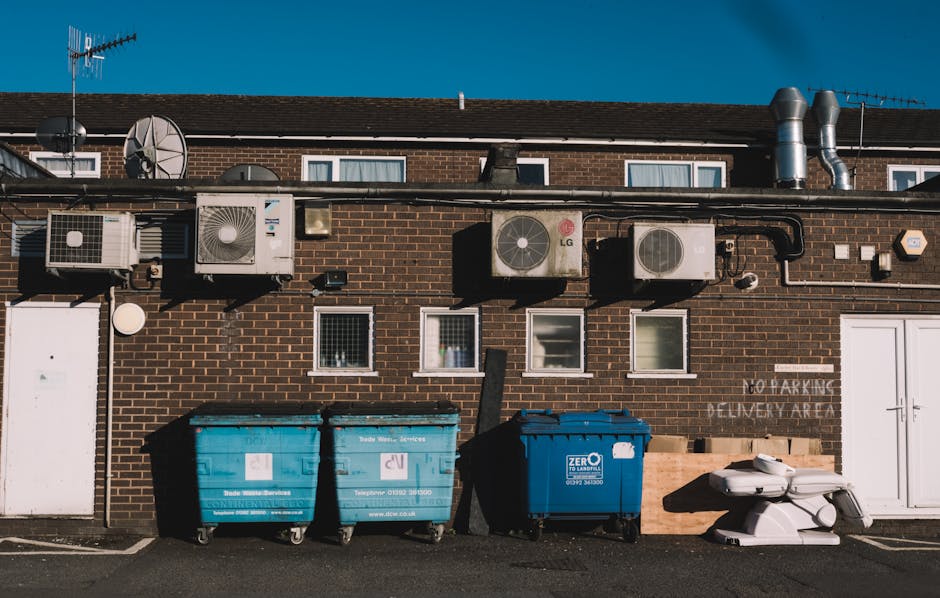
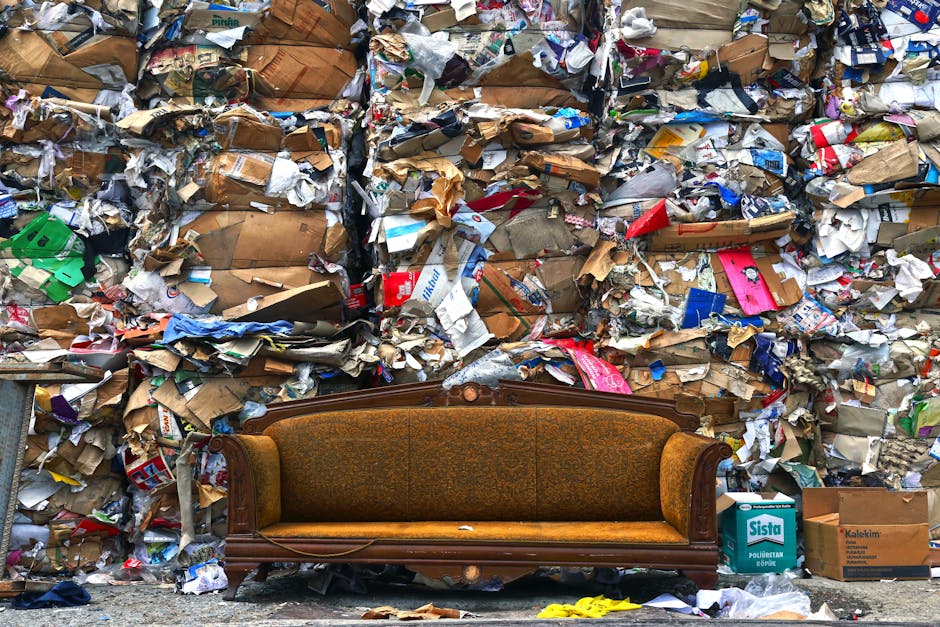
Where to drop bulky waste in SW15 (Putney): a practical local guide
If you have a sofa blocking the hallway, a broken wardrobe leaning against the wall, or a pile of old garden bits taking over the shed, you are probably asking the same thing: where to drop bulky waste in SW15 (Putney) without turning the whole job into a weekend saga. Fair enough. Bulky waste is awkward, heavy, and often not something you can just leave beside the general bin and hope for the best.
This guide explains your realistic options in and around Putney, how bulky waste disposal usually works in London, what to watch out for, and when it makes more sense to book a collection instead of trying to shift everything yourself. You will also find practical steps, a comparison table, and a checklist you can actually use. No fluff. Just the stuff that helps when you are staring at a sofa and thinking, right, now what?
For related services and helpful background, you may also want to look at general waste removal in Putney, furniture disposal, and home clearance support if your bulky waste is part of a bigger clear-out.
Table of Contents
- Why where to drop bulky waste in SW15 (Putney) matters
- How bulky waste disposal works in practice
- Key benefits and practical advantages
- Who this is for and when it makes sense
- Step-by-step guidance
- Expert tips for better results
- Common mistakes to avoid
- Tools, resources and recommendations
- Law, compliance, standards, and best practice
- Options, methods, and comparison table
- Case study or real-world example
- Practical checklist
- Conclusion
- Frequently asked questions
Why where to drop bulky waste in SW15 (Putney) matters
Bulky waste is not just "big rubbish". It is the sort of item that needs a bit of thinking before you move it. Sofas, mattresses, tables, wardrobes, broken exercise equipment, old fencing, and garden furniture can all count as bulky waste. In Putney, as in much of London, where and how you dispose of these items matters for three simple reasons: access, safety, and compliance.
First, access. SW15 is a busy residential area with flats, terraced homes, side streets, shared entrances, and limited parking in places. Dragging a heavy item to the wrong place can be a nuisance for you and everyone else. Second, safety. A chest of drawers that looks manageable until you try the stairs is a classic back-injury moment. We have all seen that one item that somehow gets heavier the closer it gets to the door. Strange, but true.
Third, compliance. Fly-tipping rules are taken seriously in London, and leaving waste in the wrong place can cause issues. Even if you are not trying to do anything wrong, it is worth understanding the correct route before you move a single item. If your bulky waste includes mixed materials, such as timber, metal, upholstery, or electrical parts, proper sorting can make the disposal smoother and often more cost-effective.
There is also a wider environmental angle. The better you separate reusable, recyclable, and non-recyclable material, the less ends up as residual waste. If sustainability matters to you, take a look at recycling and sustainability information before deciding how to get rid of larger items.
How bulky waste disposal works in practice
There are usually three realistic routes for bulky items in SW15: use a local authority collection service if available to you, take the waste to an appropriate disposal facility yourself, or book a private clearance service. The right choice depends on the item, the amount of waste, whether you have transport, and how much lifting you want to do. Truth be told, the "best" option is often the one that causes the least hassle.
If you are dealing with one or two medium-sized items, a scheduled collection or a suitable drop-off point can work well. If you are clearing a flat, moving out, or dealing with several large items at once, a professional team is often easier because they can remove the items from inside the property, sort the load, and take care of transport. That is especially helpful in Putney flats, maisonettes, and homes with narrow staircases or no lift.
Some bulky waste can be reused, donated, or broken down. For example, a solid wooden table might be suitable for another household, while a damaged sofa with worn fabric usually needs disposal. Furniture-specific services such as furniture clearance and furniture disposal are worth considering if most of what you have is household furniture rather than mixed junk.
If the bulky waste came from a renovation or refurbishment, you may be looking at builders' debris, timber offcuts, plasterboard, packaging, or old fixtures. In that case, builders waste clearance may be more relevant than standard household removal.
A simple way to think about it
Ask yourself three questions:
- Can it be reused, repaired, or donated?
- Can I transport it safely and legally?
- Is there a better option than me doing the lifting?
If the answer to all three is "not really", that is usually your cue to look at a clearance service.
Key benefits and practical advantages
Dropping bulky waste off correctly, or arranging a proper collection, saves time and avoids a lot of small headaches that can quickly become big ones. The first benefit is obvious: your space is back. But there are several other advantages that people often only appreciate afterwards.
Less risk of injury. Heavy items are awkward, especially when you need to turn corners, go down stairs, or carry them through tight hallways. A wobbly wardrobe in a narrow Putney stairwell can turn into a full-body workout you never asked for.
Cleaner, safer living space. Old furniture and waste can attract dust, clutter, and frustration. Once it is gone, the room feels bigger immediately. A small flat can breathe again.
Better sorting and recycling. A proper disposal route gives you a better chance of separating metal, wood, fabric, and reusable items. That is better for the environment and, in many cases, better for the overall process.
Less stress for landlords, tenants, and business owners. Whether you are moving out, preparing a property for sale, or clearing a workplace, bulky waste can slow everything down. A reliable removal plan keeps the project moving.
More predictable costs. Once you know whether you are dealing with a few items or a full load, you can make a more informed decision. If you need a clearer idea before booking, the pricing and quotes page is a sensible place to start.
Who this is for and when it makes sense
This topic matters to a lot of different people, not just homeowners. In Putney, bulky waste disposal is often relevant to:
- tenants leaving a flat and needing to clear large items fast
- landlords preparing a property for new occupants
- families replacing broken furniture
- people clearing out a loft, garage, or spare room
- business owners disposing of office furniture or surplus stock
- gardeners and homeowners dealing with old outdoor items
- renovators who need building waste removed safely
It makes sense when the item is too large for a normal bin, too heavy for a quick solo trip, or too awkward to fit in your car without a lot of faff. It also makes sense if you simply do not want to spend your Saturday loading a sofa while the weather does that classic London thing of being grey, windy, and somehow both too cold and too warm.
For households, bulky waste often turns up during life changes: moving house, spring cleaning, a refurb, or after replacing items that have been hanging on just a bit too long. For businesses, it is often office desks, chairs, filing cabinets, shelves, and packaging from fit-outs. In that case, office clearance and business waste removal may be the right fit.
Step-by-step guidance
If you want a simple process, here is a practical way to approach bulky waste in SW15.
- Identify what you actually have. Make a quick list. Is it furniture, garden waste, broken appliances, renovation debris, or a mixed pile?
- Check what can be reused or separated. A metal bed frame, a wooden shelf, and a fabric sofa may need different handling. Do not mix everything together if you can avoid it.
- Measure the items. This sounds boring, but it matters. Stairwells, door frames, and hallway turns are where many good plans go slightly wrong.
- Decide whether you can move it safely. If you need two people and a lot of persuasion, consider a professional collection.
- Choose the disposal route. Local drop-off, council service, or private clearance. Pick the route that suits the item and your timetable.
- Prepare the waste. Remove loose items, tape drawers shut, take out glass shelves if needed, and separate anything hazardous.
- Arrange transport or collection. Confirm access, parking, and timing so nobody is standing in the rain wondering where the van can stop.
- Keep any paperwork or confirmation. Especially if you are a landlord, agent, or business, it is sensible to keep a record of what was removed.
That last point matters more than people think. A short message, invoice, or job confirmation can save a lot of awkwardness later.
What to do with different bulky item types
- Sofas and armchairs: Usually best handled as furniture waste. Upholstered items can be bulky and hard to transport alone.
- Wardrobes and beds: Often need dismantling before moving. Take your time with screws and fittings.
- Mattresses: Not glamorous, not fun, and very awkward to carry. Best arranged through a suitable disposal route.
- Garden items: Old decking, broken pots, rusted benches, and fence panels may need a garden clearance approach.
- Garage clutter: Tool storage, scrap timber, old bikes, and broken equipment often suit a garage clearance.
Expert tips for better results
Small decisions can make a bulky waste job much easier. In our experience, the difference between a smooth clearance and a stressful one usually comes down to preparation.
Tip 1: Take a "sort first, move second" approach. Separate what is reusable, recyclable, and genuinely waste. It keeps the load cleaner and makes the removal easier to manage.
Tip 2: Dismantle when practical. A wardrobe with the doors off is easier to carry than a single bulky piece. Just keep the screws and fittings in a labelled bag. That tiny bit of organisation saves time later.
Tip 3: Protect floors and walls. If you are moving items through a narrow hallway or up stairs, use covers or cardboard to reduce scuffs. It sounds minor, but chipped paint on the way out is always annoying.
Tip 4: Think about parking and access. In SW15, access can make or break the job. A service that understands local streets and access constraints will often be easier to deal with.
Tip 5: Ask about sustainability. If you want items reused or recycled where possible, say so upfront. Reputable services should be able to explain their process. A quick read of the recycling and sustainability guidance can help you ask the right questions.
Tip 6: Keep hazardous items separate. Paints, chemicals, gas cylinders, and some electrical waste may need special handling. Do not simply bundle them into a mixed load and hope it sorts itself out. It usually does not.
Tip 7: Plan around your day. If you are moving house or juggling work, pick a collection time that gives you breathing room. One rushed removal can create three new jobs.
Common mistakes to avoid
Bulky waste disposal is fairly straightforward, but there are a few mistakes that keep showing up.
- Leaving items in the wrong place. Common sense, yes, but still worth saying. Do not leave waste where it blocks pavements, shared entrances, or communal areas.
- Assuming every large item is the same. A mattress, a wardrobe, and a broken office chair are not handled in exactly the same way.
- Trying to carry heavy items alone. This is how backs get tweaked and corners get scuffed.
- Forgetting about access. A collection may be simple in theory but impossible if nobody can park safely nearby.
- Mixing waste types too early. If you throw everything into one pile, you may lose the chance to reuse or recycle parts of it.
- Ignoring business or tenancy requirements. If you are clearing on behalf of someone else, keep proof of what happened and when.
A lot of problems come from rushing. People want the bulky item gone right now, which is understandable, but a few minutes of planning usually saves an hour of hassle. Or more.
Tools, resources and recommendations
You do not need much equipment to deal with bulky waste properly, but a few things help.
- Work gloves: Useful for grip and protection, especially with rough timber or metal edges.
- Tape or straps: Helpful for keeping drawers shut, bundling smaller pieces, or securing loose parts.
- Basic measuring tape: Handy for checking whether a bulky item can fit through doors or into a vehicle.
- Marker pen and bags: Good for labelling screws, brackets, and fittings if you dismantle anything.
- Protective covers or cardboard: Useful for stairs, floors, and corners if you are moving items indoors.
For services that involve full property clear-outs, you may also want to look at house clearance, flat clearance, or loft clearance if the bulky waste is just one part of a larger project.
And if the items are mostly furniture, start with furniture clearance options rather than treating them like mixed general waste. That small distinction can make the whole process smoother.
Law, compliance, standards, and best practice
This is the bit people often skip until something goes wrong. In the UK, waste needs to be handled responsibly, and that includes making sure it is transferred to a legitimate carrier or an approved disposal route. If you are paying someone to take bulky waste away, it is sensible to check that the service is set up properly and gives you a clear record of what they have collected.
Best practice also means being careful with items that may contain electrical parts, sharp materials, or potentially hazardous components. Some items need special treatment, and not every load should be treated as ordinary rubbish. If you are unsure, ask before booking. That small conversation can prevent a messy problem later.
Landlords, letting agents, and business owners should take particular care. If bulky waste is removed from a property you manage, keep notes, invoices, or job confirmations. It is not about overdoing paperwork. It is about having a sensible trail if you ever need one.
Health and safety should not be an afterthought either. For more detail on the company's approach to safe working, see the health and safety policy and insurance and safety information. If you are comparing providers, these pages can be a useful trust signal.
One more practical note: do not assume a cheaper option is better if it does not explain how items are handled. A good service should be clear, predictable, and careful. Not flashy. Just solid.
Options, methods, and comparison table
There is no single right answer for every bulky waste job. The best method depends on quantity, access, urgency, and how much lifting you want to do yourself.
| Option | Best for | Pros | Trade-offs |
|---|---|---|---|
| Local drop-off or council route | Smaller loads or simple item disposal | Can be cost-effective; straightforward for a small volume | You handle transport, lifting, and timing yourself |
| Private bulky waste collection | Households, landlords, flats, and mixed bulky items | Convenient; items can be removed from inside the property | Usually costs more than doing it yourself |
| Reuse, donation, or resale | Items in usable condition | Best environmental outcome; may help someone else | Not suitable for damaged, stained, or unsafe items |
| Full clearance service | Large clear-outs, moves, estates, or refurb projects | Saves time; handles multiple waste types in one go | Can be more than you need for a single item |
If the job is really just one mattress or one old chest of drawers, the simplest route is often the best. If it starts with "just a couple of things" and turns into a hallway full of furniture, you probably need a broader clearance plan. Happens all the time.
Case study or real-world example
A common Putney scenario goes like this. A family clears a spare room before a move and finds a broken wardrobe, an old mattress, two bedside tables, and a few boxes of mixed household clutter. At first, they think they can handle it with one car trip and a lot of optimism. Then they measure the wardrobe and realise it will not fit through the landing without dismantling. By that point, the room has become a staging area and everybody is mildly fed up.
What works better? They sort the smaller reusable items first, remove the loose contents, dismantle the wardrobe where practical, and arrange a suitable collection for the bulky pieces. If they are also clearing other rooms, a wider service such as home clearance can save time because the team can deal with the full mix in one visit.
The key lesson is simple: bulky waste is easier when it is treated as a process, not a panic. A little planning goes a long way, especially in homes with narrow access or limited parking. By mid-afternoon, what looked like a huge problem often becomes an empty room and a calmer head.
Practical checklist
Use this checklist before you arrange disposal or collection:
- List every bulky item you want removed
- Check whether any item can be reused or donated
- Separate electrical, hazardous, and general waste
- Measure large items and note access restrictions
- Confirm whether items need dismantling
- Decide whether you need a single-item collection or a full clearance
- Check parking and access for the vehicle
- Keep photos or a simple record for your own reference
- Review pricing and timing before booking
- Make sure you are using a legitimate and transparent service
If your clear-out includes mixed waste from a garden, garage, shed, or refurb, it may be worth grouping the job properly rather than tackling each piece separately. That is often where the time savings show up.
Conclusion
Finding where to drop bulky waste in SW15 (Putney) is really about choosing the safest, simplest route for the items you actually have. For a small load, a drop-off or local disposal option may be enough. For larger, heavier, or mixed waste, a proper collection is often the better choice because it reduces lifting, saves time, and lowers the chance of things going wrong.
The main thing is not to rush. Check what you have, separate what can be reused, and choose the option that fits your property, your schedule, and your peace of mind. A good bulky waste solution should feel tidy, not dramatic. And if you are dealing with a bigger clear-out, having the right help lined up makes the whole thing feel far less like a chore.
If you are ready to move forward, you can explore the most relevant service pages, review safe working standards, and get a clear idea of costs before you book. That way, the job gets done properly the first time.
Get a free quote today and see how much you can save.
Frequently Asked Questions
Where can I drop bulky waste in SW15 (Putney)?
The right place depends on the type and amount of waste. Small loads may suit a local drop-off route, while larger or mixed bulky items are often easier with a collection service.
What counts as bulky waste?
Bulky waste usually means large household or commercial items that do not fit in a normal bin, such as sofas, mattresses, wardrobes, tables, beds, and large broken furniture.
Can I leave bulky waste on the pavement in Putney?
No, not unless it is part of an approved collection arrangement. Leaving waste out in the wrong place can cause obstruction and may lead to enforcement issues.
Is it cheaper to take bulky waste myself or book a collection?
It depends on the item, transport, fuel, time, and lifting effort. Self-disposal can suit small loads, but a collection is often better value once you factor in hassle and access.
Do I need to dismantle furniture before disposal?
Not always, but dismantling large items can make them easier to carry, transport, and load. It also helps if you have narrow stairs or tight doorways.
What should I do with a broken sofa or mattress?
These items are usually best handled through a furniture disposal or bulky waste collection route. They are awkward to move and often not suitable for standard bin disposal.
Can bulky waste be recycled?
Parts of it often can be, depending on the material. Wood, metal, and some furniture components may be recyclable, while damaged or contaminated items may not be.
What if my bulky waste came from a garage or loft clear-out?
That is common. If the waste is part of a larger job, a garage clearance or loft clearance service may be a better fit than removing items one by one.
How do I know if a waste service is legitimate?
Look for clear service information, transparent pricing, and sensible safety details. It is also wise to review the provider's terms and conditions and safety-related pages before booking.
What if I have bulky waste from a business or office?
Then it is worth looking at business-specific options such as business waste removal or office clearance, especially if you have desks, chairs, and filing units.
How quickly can bulky waste usually be removed?
That depends on availability, access, and the size of the job. Small collections can often be arranged faster than full-property clear-outs, but you should always confirm timing before booking.
What should I do before booking a bulky waste collection?
Make a list of the items, measure anything large, check access, and decide whether you need one-off removal or a broader clear-out. If you are ready, a quick visit to the contact page is the simplest next step.
Sometimes the easiest answer is also the calmest one. Get the right help, clear the space, and move on with your day.