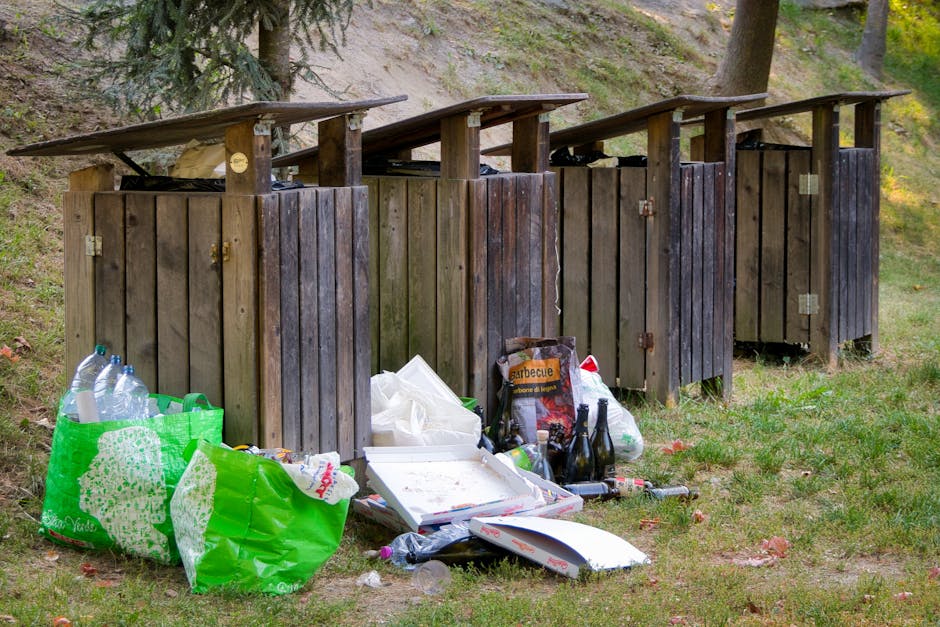
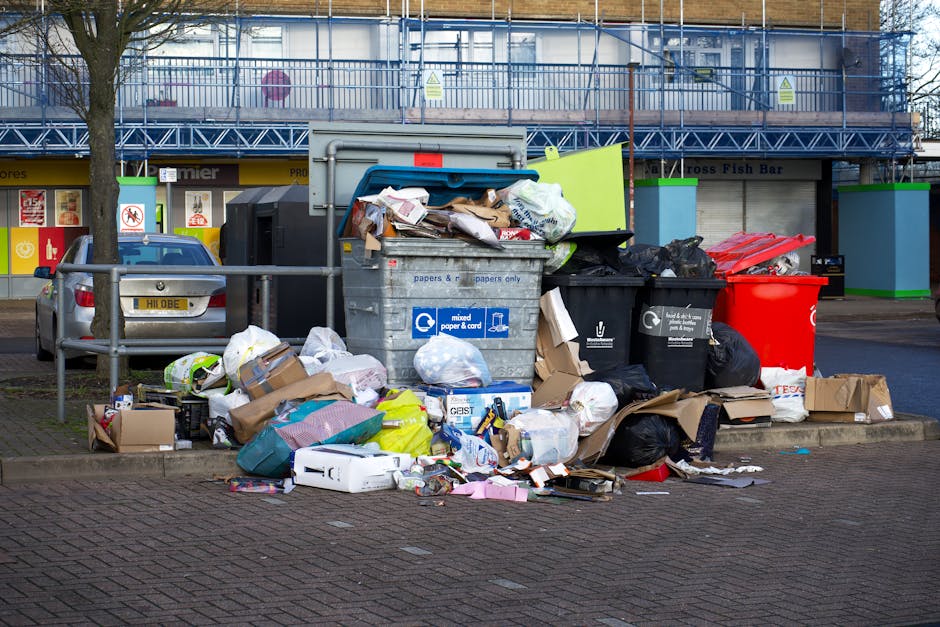
Overflowing bins on Putney Embankment: urgent removal
Overflowing bins on Putney Embankment can turn a pleasant stretch of riverside London into a messy, unhygienic problem very quickly. Litter spills onto the pavement, bags split, gulls take an interest, and before long the whole area feels neglected. If you need Overflowing bins on Putney Embankment: urgent removal, the real challenge is not just getting rid of the waste, but doing it quickly, safely, and with as little disruption as possible.
That is especially true on busy public-facing routes where footfall changes by the hour. A delay of even a few hours can make the situation worse. In this guide, we will walk through what urgent bin removal involves, why it matters, how a proper response works, and what to look for if you are arranging a fast clearance. You will also find practical tips, a comparison table, and a useful checklist so you can act without second-guessing yourself.
Table of Contents
- Why Overflowing bins on Putney Embankment: urgent removal Matters
- How Overflowing bins on Putney Embankment: urgent removal Works
- Key Benefits and Practical Advantages
- Who This Is For and When It Makes Sense
- Step-by-Step Guidance
- Expert Tips for Better Results
- Common Mistakes to Avoid
- Tools, Resources and Recommendations
- Law, Compliance, Standards, or Best Practice
- Options, Methods, or Comparison Table
- Case Study or Real-World Example
- Practical Checklist
- Conclusion
- Frequently Asked Questions
Why Overflowing bins on Putney Embankment: urgent removal Matters
Putney Embankment has a very visible, public feel to it. When bins overflow there, it is not a hidden problem tucked behind a loading bay; it is right there in plain sight. That changes everything. A small pile of rubbish can quickly become a larger issue involving odour, pests, trip hazards, and complaints from residents, workers, walkers, and visitors.
There is also the simple visual impact. A riverside walkway should feel open and cared for. Overflowing waste sends the opposite message. It makes the area look unmanaged, even if the problem started because one collection was missed or a particularly busy day overwhelmed the available capacity. Truth be told, that is often how these things begin: one full bin, then another bag placed beside it, then one more, and suddenly the corner looks like a magnet for more waste.
From a practical point of view, urgent removal matters because waste rarely stays contained. Rain can spread loose rubbish, animals can drag it away, and heavy pedestrian use can crush bags into the pavement. If there are food scraps involved, the situation can become unpleasant fast. Nobody wants to walk past a warm smell of sour drink, wet cardboard, and old takeaway packaging on a windy afternoon. Not exactly Putney at its best.
Key takeaway: The sooner overflowing bins are cleared, the easier it is to stop secondary problems like litter spread, odour, complaints, and avoidable cleanup costs.
There is another layer too: reputation. For businesses, landlords, managing agents, and event organisers, messy bins can look like poor planning. For public-facing properties, that is a small issue with a big impact. People notice. They always do.
How Overflowing bins on Putney Embankment: urgent removal Works
Urgent bin removal is usually a straightforward process, but the difference between a good response and a rushed one is in the details. The aim is to remove excess waste quickly, safely, and with a proper plan for sorting and disposal. In most cases, a team will first assess the volume and type of waste, then decide whether bags, loose litter, broken containers, or contaminated material need separate handling.
For a riverside location like Putney Embankment, access matters. Narrow pavements, parked vehicles, walkers, cyclists, and changing traffic patterns can all affect how the work is carried out. A sensible operator will work around those constraints rather than forcing the job through and making the area messier. That sounds obvious, but you would be surprised how often the obvious is skipped.
A proper urgent removal service should also think about the aftermath. If bins were overflowing because they were under-sized, poorly placed, or not emptied frequently enough, repeating the same mistake is pointless. The short-term fix is to clear the waste. The longer-term fix is to improve collection frequency, bin capacity, or waste handling routines so the problem does not reappear next week.
In our experience, the best results come from a calm, methodical approach. Fast does not have to mean chaotic. It just needs to be organised.
Where relevant, a service provider may also separate recyclables from general waste, especially if clean materials like cardboard or cans are still recoverable. That said, once rubbish has been mixed or contaminated, recovery options can narrow. A good team will be honest about that rather than promising perfection for the sake of sounding impressive.
Key Benefits and Practical Advantages
There are several reasons to deal with overflowing bins urgently instead of waiting for the next scheduled collection. Some are obvious, others only become obvious after the mess starts spreading.
- Cleaner surroundings: Immediate clearance stops waste from drifting across pavements and nearby entrances.
- Reduced odour: Faster removal helps limit smells, especially in warmer weather or after food waste has built up.
- Lower pest attraction: Open or overfilled bins can attract gulls, rats, flies, and other nuisance wildlife.
- Improved safety: Loose bags and debris can create slip or trip hazards around footpaths and access points.
- Better public perception: A tidy frontage tells people the property or site is actively managed.
- Less secondary cleanup: Removing waste early usually means less sweeping, less picking, and less damage to surrounding surfaces.
There is also a commercial advantage. If you manage a business, a hospitality site, or a shared property, quick action reduces complaints and keeps the situation from escalating into something far more time-consuming. Let's face it, nobody wants to spend the next morning apologising for a bin area that should have been handled yesterday.
One of the more underrated benefits is calm. When bins are overflowing, people tend to get frustrated very quickly. A fast, visible response reassures staff, residents, and visitors that the issue is being taken seriously. That alone can be worth a lot in a busy London setting.
Who This Is For and When It Makes Sense
Urgent removal is not just for one type of customer. It is useful wherever waste volumes have exceeded the available bin space or where waste is causing an immediate nuisance. On Putney Embankment, that might include a business near the river, a residential block, a managed property, a venue, or a site dealing with a one-off surge in waste after an event or busy weekend.
This service makes sense when:
- bins are full and waste is spilling onto the ground;
- bags have been left beside bins because there is no room left inside them;
- food waste is causing odour or attracting pests;
- the bin area is affecting customer or resident experience;
- you need a fast clear-up before inspection, opening hours, or a scheduled visit;
- existing waste routines have broken down and need immediate support.
It is also useful after short-term spikes. Think of a summer gathering, a private function, a seasonal rush, or a collection issue that came out of nowhere. The waste pattern may return to normal soon, but right now the bin area still needs attention. That is the point: solve today's problem before it becomes tomorrow's headache.
If you are not sure whether you need urgent removal or a broader waste plan, a useful starting point is the pricing and quotes page, which can help you understand the next step without overcommitting too early.
Step-by-Step Guidance
If you are dealing with overflowing bins on Putney Embankment, this simple sequence helps keep things under control. It is not glamorous, but it works.
- Check the immediate risk. Look for loose rubbish, sharp items, leaks, or anything that might pose a hazard to pedestrians or staff.
- Identify the waste type. Is it general waste, food waste, mixed recyclables, bulky packaging, or a mixture? Different waste streams may need different handling.
- Secure the area if needed. If bags are torn or items are scattered, keep people clear while the mess is contained.
- Arrange urgent removal. Contact a clearance provider that can act promptly and explain the location, access conditions, and waste volume clearly.
- Ask about sorting. If recyclable materials are still clean enough, ask whether they can be separated. If not, you will still want responsible disposal.
- Remove all overspill. The job should include not just the bin contents, but the surrounding litter and any loose debris.
- Inspect the bin area afterwards. Check for stains, leaks, broken lids, damaged containers, or signs that the area needs deeper cleaning.
- Fix the root cause. Review bin size, collection frequency, signage, and placement so it does not happen again.
A quick example: a riverside cafe sees bins overflowing after a sunny Saturday. Staff can bag the waste, but there is nowhere sensible to store it safely overnight. In that situation, urgent removal is about more than tidying up. It keeps the entrance usable, reduces smell by morning, and avoids a Monday start that feels like punishment. Nobody needs that sort of Monday.
If the issue is recurring, it is worth linking the immediate clearance with a more reliable waste routine. The article on recycling and sustainability is a useful place to think through waste separation and longer-term reduction, especially if your bin area gets overloaded with packaging.
Expert Tips for Better Results
There are a few habits that make urgent bin removal smoother and more effective. These are small things, but they save time and hassle.
- Photograph the situation before clearing starts. Not for drama, just for clarity. It helps if you need to explain the scale of the problem later.
- Describe access honestly. If there is limited parking, a narrow service route, or a tight courtyard, say so early. That avoids delays.
- Separate obviously recyclable material where safe. Clean cardboard and similar items may be easier to process if they are not contaminated.
- Keep lids shut whenever possible. It sounds basic, because it is basic. But basic works.
- Use the right bin capacity. If the bin fills daily, it is probably too small or emptied too infrequently.
- Plan around peak times. A site that is quiet on Tuesday may be bursting on Friday evening. Waste volume is rarely evenly spread.
Another useful tip: do not underestimate odour. Sometimes people focus on the visual mess and ignore the smell, but that is often what turns a nuisance into a complaint. A strong smell travels. It lingers in stairwells, doorways, and reception areas. Once people notice it, they tend to notice everything else too.
If you want to understand the company background before booking, the about us page gives a helpful overview of who is behind the service, while the health and safety policy can give reassurance on how work is approached responsibly.
Common Mistakes to Avoid
A surprising number of bin overflow problems get worse because people wait too long or treat the issue as if it will sort itself out. Usually, it will not. Here are the mistakes that cause the most trouble.
- Leaving waste beside the bin for later. That creates a second problem, then a third.
- Assuming one extra collection will fix a structural issue. If the bin is always full, the system needs adjusting.
- Mixing hazardous or sharp waste into general rubbish. That can create avoidable safety risks for anyone handling it.
- Ignoring access issues until the day of collection. Tight access without warning can slow everything down.
- Overlooking broken lids or damaged bins. A damaged container can lead to repeat overflow and pest access.
- Waiting until complaints pile up. By then, the problem is no longer just about waste.
One slightly annoying truth: the mess is often only half the issue. The other half is the hidden damage to routines. A bin area that is overflowing today may be a sign that collections, storage, or site behaviour have drifted out of balance. If that is the case, clearing the waste is necessary, but it is not the whole story.
For practical reassurance around how a provider handles customer concerns, it can be worth reading the complaints procedure and terms and conditions. Not glamorous, admittedly, but useful when you want to know how things are handled if expectations ever need clarifying.
Tools, Resources and Recommendations
You do not need a complicated toolkit to deal with an overflowing bin area, but you do need the right basics. Think simple, safe, and effective.
- Heavy-duty bags: Useful for transferring loose waste without repeated splitting.
- Gloves and protective gear: Helpful for anyone handling rubbish directly, especially if there is sharp or contaminated material.
- Hand sweep tools: A broom, dustpan, and litter grabber can make the surrounding area presentable after removal.
- Labelled bins: Clear labels reduce contamination and make sorting easier.
- Spare containers or temporary overflow capacity: Handy for predictable busy periods, especially around events or seasonal peaks.
- Contact details for urgent support: A provider that can respond quickly is worth keeping on file before you need them in a hurry.
For financial planning, the pricing and quotes page is the most relevant place to start if you want a clearer idea of what to expect. And if payment handling is part of your decision-making, the payment and security page is a sensible read. Small detail, yes. Still important.
You may also want to check the insurance and safety information if the waste area is awkward, high-traffic, or requires a more careful operational approach.
Law, Compliance, Standards, or Best Practice
When dealing with waste in a public or semi-public location, the safest approach is to follow standard UK waste-handling expectations and common-sense site practices. The exact legal duties can vary depending on the type of premises, waste stream, and who is responsible for the bin area, so it is best not to guess.
What matters in practice is this: waste should be stored and removed in a way that avoids nuisance, limits contamination, and keeps people safe. That means not blocking footways, not leaving loose waste exposed for long periods, and not allowing the area to become a slip, trip, or pest risk. For mixed waste, careful sorting matters. For contaminated waste, proper handling matters even more.
Best practice usually includes:
- keeping waste contained in suitable bins or bags;
- arranging collections before overflow becomes routine;
- preventing litter from escaping into surrounding public space;
- separating recyclable materials where practical and clean enough to recover;
- ensuring workers use safe handling methods and appropriate protection.
If you are responsible for a site near Putney Embankment, a documented waste routine is rarely a bad idea. It does not need to be fancy. Just clear. Who checks the bins, when they are emptied, what to do if they overflow, and who to contact in an emergency. That kind of thing. Boring on paper, very helpful in real life.
Options, Methods, or Comparison Table
Not every overflowing-bin situation needs the same response. Some can wait for a scheduled pickup. Others need fast action on the same day. The right method depends on urgency, volume, and how visible the problem is.
| Approach | Best for | Pros | Limitations |
|---|---|---|---|
| Wait for next scheduled collection | Minor overflow with low risk | Simple, no extra action if the issue is small | Can worsen quickly if the bin keeps filling |
| Internal clear-up by site staff | Small, contained overspill | Immediate, low disruption | Not ideal for larger volumes or access-heavy sites |
| Urgent removal by a clearance team | Visible overflow, odour, complaints, or multiple full bins | Fast, safer, better for larger or awkward clearances | May require quick coordination and access planning |
| Full waste routine review | Recurring overflow problems | Addresses the root cause, not just the symptom | Takes a bit more planning and follow-up |
For most urgent situations, the best answer is often a combination: immediate removal now, then a better waste routine afterwards. That is the sensible middle ground. Not too reactive, not too passive.
Case Study or Real-World Example
Here is a realistic example based on the kind of situation that comes up on busy riverside routes.
A small hospitality venue near Putney Embankment had a bank of bins that were fine midweek, but after a sunny Friday and Saturday the volume of takeaway packaging and general waste jumped sharply. By Sunday morning, bags were stacked beside the containers, one lid would not close properly, and a few items had been knocked onto the pavement. Nothing dramatic, but enough to look messy and smell a bit off.
The team did three things. First, they stopped more waste being added to the overloaded area. Second, they arranged urgent removal so the overspill and loose material were cleared quickly. Third, they reviewed the pattern and realised the collection frequency was fine for normal trade but not for peak weekend demand.
The interesting part was not the clear-up itself. That took very little time. The real value came from the follow-up. The venue adjusted its bin routine, improved waste segregation for cardboard, and kept a small overflow plan in place for busy periods. The next weekend was much calmer. Nothing fancy. Just better control.
That is usually how these situations improve: not through one heroic fix, but through a fast response plus a few sensible changes. Simple, really.
Practical Checklist
Use this checklist if you are dealing with an overflowing bin area right now.
- Have you confirmed the exact location and access route?
- Do you know whether the waste is general, recyclable, food-related, or mixed?
- Are there any sharp items, broken bags, or obvious contamination risks?
- Have you prevented further waste from being added to the overflow?
- Is the surrounding pavement or entrance clear enough for safe movement?
- Have you arranged a prompt removal response?
- Will the clearance include both the bin contents and the spill area?
- Have you checked whether the current bin capacity is enough for normal use?
- Do staff, residents, or visitors need a short temporary notice?
- Is there a plan to stop the same thing happening again?
If you can tick most of those off, you are in much better shape already. And if not, that is fine too. The point is to act before the issue grows teeth.
Get a free quote today and see how much you can save.
Conclusion
Overflowing bins on Putney Embankment are more than a cosmetic issue. They affect safety, smell, public perception, and the day-to-day feel of a place that should be easy to walk through and pleasant to use. Fast action matters because waste problems tend to escalate, not fade away on their own.
The best response is usually simple: assess the risk, clear the overspill quickly, and then improve the system so the same problem does not return. If you approach it that way, you protect the space and make the next few days a lot easier for everyone who uses it.
When the pressure is on, a calm and well-organised removal plan makes all the difference. One tidy bin area can change the mood of a whole frontage. Honestly, that small reset can feel bigger than it sounds.
If you would like to learn more about the people behind the service, visit the about us page, or use the contact us page to take the next step when you are ready.
Frequently Asked Questions
What should I do first if bins are overflowing on Putney Embankment?
First, stop any more waste being added if you can. Then check for sharp items, leaks, or loose rubbish around the bin area. After that, arrange urgent removal so the overspill does not spread across the pavement.
How quickly should overflowing bins be removed?
As quickly as possible, especially in a public or high-footfall area. The longer waste sits there, the more likely it is to create odour, pests, and complaints. In practical terms, same-day action is often the sensible target.
Can urgent bin removal include loose rubbish around the bins?
Yes, and it should. A proper clear-up normally includes the surrounding spill area as well as the bin contents. Otherwise, you are only solving half the problem.
What types of waste are commonly involved?
Usually general waste, food packaging, cardboard, mixed recyclables, and sometimes contaminated items. The exact mix matters because it affects how the waste can be handled and whether recycling is possible.
Is overflowing bin removal the same as a full waste clearance?
Not always. Overflowing bin removal is often a targeted, urgent job focused on one problem area. A full waste clearance may cover a larger volume, more locations, or additional waste stored elsewhere on site.
How can I stop the problem happening again?
Review bin size, collection frequency, waste separation, and peak-time usage. Most repeat overflow issues come down to one of those factors, or a combination of them. Sometimes it is just a timing issue, sometimes it is the whole routine.
Do overflowing bins create health and safety risks?
Yes, they can. Risks include slips, trips, blocked access, unpleasant odours, and pest attraction. If there are sharp or broken items in the waste, handling becomes even more important.
What if the waste smells bad or has food waste in it?
That usually makes urgent removal more sensible, not less. Food waste can attract pests and become a nuisance very quickly, especially in warmer weather or after a busy day.
Should recyclable materials be separated before removal?
If they are clean enough and safe to separate, yes. Cardboard and similar items may be worth keeping apart. But if the waste is contaminated, sorting may not be realistic, so a professional judgment is useful.
How do I know if I need a one-off removal or a longer-term solution?
If the overflow happened once because of a sudden surge, a one-off removal may be enough. If it happens repeatedly, you probably need to review the ongoing waste setup as well. That is usually where the real fix lies.
Can a clearance provider help with access issues near the embankment?
Yes, provided you explain the access details clearly in advance. Narrow pavements, parking restrictions, and public footfall all affect how the work is planned. Good communication makes the job easier for everyone.
Where can I check service information before booking?
You can review the pricing and quotes, insurance and safety, and terms and conditions pages first. They are useful for understanding expectations before you decide.