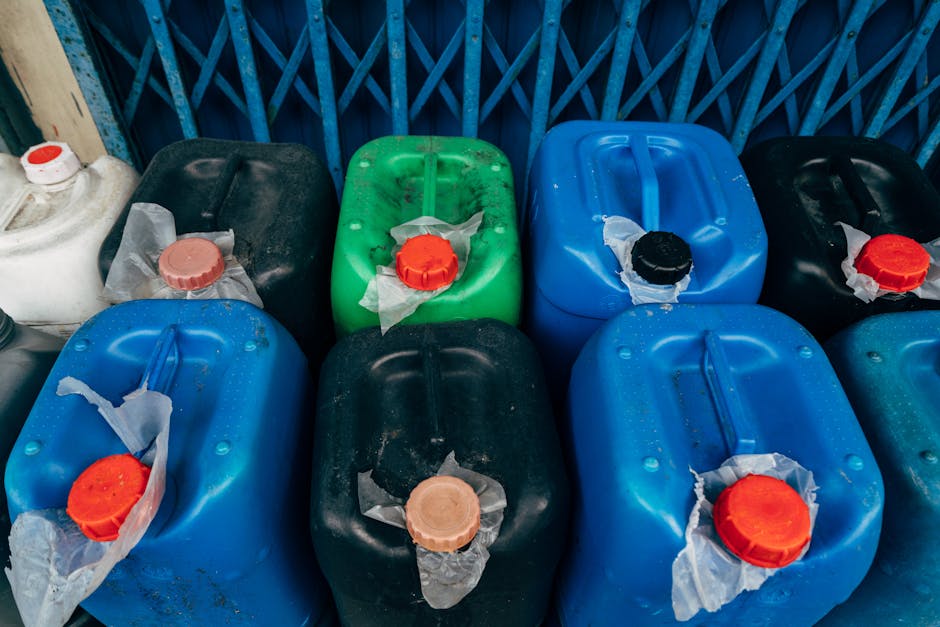
Avoid fines: Wandsworth hazardous waste rules
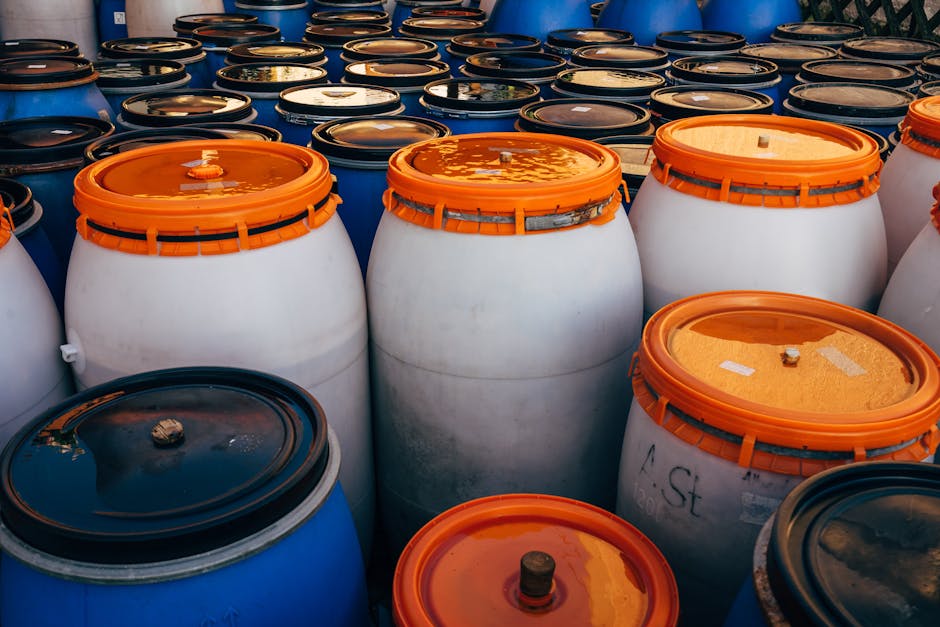
If you are clearing a flat, refurbishing an office, or finally dealing with that suspicious-looking drum in the garage, the last thing you want is a fine for getting hazardous waste wrong. That is exactly why Avoid fines: Wandsworth hazardous waste rules matters. In practice, it is about keeping unsafe materials separate, handled properly, and moved by the right people so you do not create a headache for yourself later. Easy enough in theory. A bit less easy when you are staring at batteries, paint tins, fluorescent tubes, cleaning chemicals, or old electrical kit all in one pile.
This guide breaks the subject down in plain English. You will find what counts as hazardous waste, how the process usually works in Wandsworth, the mistakes that trigger problems, and the sensible checks that protect you from avoidable enforcement issues. If you are booking a clearance, sorting a business disposal, or just trying to get organised, this is the bit worth reading properly.
Why Wandsworth hazardous waste rules matter
Hazardous waste is not just "messy waste". It is waste that can harm people, damage property, or pollute the environment if it is stored, moved, or disposed of badly. That can include solvents, oils, certain paints, pesticides, gas canisters, asbestos-containing materials, contaminated rags, clinical sharps, and a fair amount of electrical waste depending on what is inside it.
Wandsworth, like other London boroughs, expects waste to be managed responsibly and in line with UK duty-of-care principles. That means the person producing the waste cannot simply wash their hands of it once it leaves the building. You need to know what it is, keep it separate if required, and make sure it goes to an authorised route. If that sounds a bit bureaucratic, well, it is. But the bureaucracy is there because mixed or mishandled hazardous waste can cause genuine harm.
Fines usually come from avoidable errors: putting hazardous items into general rubbish, failing to use a suitable carrier, leaving waste where it can leak, or giving inconsistent information about what is being collected. A rushed job can turn into a costly one very quickly. And to be fair, most people do not set out to do it wrong; they just are not told what the rules expect.
Expert summary: The safest way to stay compliant is simple: identify hazardous items early, keep them segregated, use a proper clearance process, and keep records tidy. That one habit saves a surprising amount of stress.
If you are dealing with a larger clearance, it is often sensible to pair hazardous items with a broader waste plan. Services such as waste removal, business waste removal, or even office clearance can help keep the non-hazardous side of the job moving while the risky stuff is handled separately.
How Wandsworth hazardous waste rules work
The process is less mysterious than people think. First, you identify what is hazardous and what is not. Then you decide whether it needs specialist handling, packaging, labelling, or collection. After that, it is about choosing the right route and keeping evidence that it was disposed of properly.
Here is the plain-English version. If waste could leak, ignite, corrode, poison, irritate, or otherwise cause trouble, treat it carefully until you know exactly what it is. If a product has a warning label or contains chemicals, oils, gases, or unknown residues, do not just chuck it into a mixed skip and hope for the best. Hope is not a compliance strategy. Sadly.
In a home setting, this might be a few tins of leftover paint, a broken battery charger, and some old cleaning liquids under the sink. In a commercial setting, it could be printer cartridges, fluorescent tubes, workshop chemicals, contaminated packaging, or maintenance waste. The more unknowns there are, the more important it is to slow down and check.
For mixed property clearances, the practical method is usually to sort first, then remove. If you are dealing with a flat, a loft, a garage, or a family house, the hazardous items often hide in cupboards, under benches, and behind heavier furniture. That is why services such as flat clearance, loft clearance, garage clearance, and house clearance can be useful when the job is bigger than a bin bag and a quick tidy-up.
What usually needs special attention
- Paint, varnish, thinners, adhesives, and solvents
- Fluorescent tubes, bulbs, and some electrical items
- Batteries, especially damaged or swollen ones
- Gas cylinders and pressurised containers
- Oils, fuel, and automotive fluids
- Cleaning agents and chemicals with hazard symbols
- Contaminated absorbents, cloths, or packaging
- Asbestos-related materials, which need extra caution
Some of these items are obvious. Others are not. An old tin with no label on it? That is the sort of thing that deserves a proper check, not a shrug and a toss into general waste.
Key benefits and practical advantages
Following hazardous waste rules is not just about avoiding penalties, although that is a big part of it. Good handling also makes the whole clearance cleaner, quicker, and less stressful. It protects the people doing the lifting, the neighbours nearby, and the site itself. Let's face it, nobody wants a leaking container in the back of a stairwell or a chemical smell drifting through a hallway on a damp Tuesday morning.
The biggest practical advantage is control. Once hazardous items are separated, everything else is easier to move, price, and schedule. A clearance team can work more efficiently, and you avoid the awkward last-minute surprise of discovering something that should never have gone into the main load.
There is also a reputational benefit if you are a business or landlord. Tenants, staff, clients, and managing agents notice when waste is handled properly. It signals that you take safety seriously. That sounds small, but in a dense borough like Wandsworth, where access can already be tight and timings matter, that kind of discipline helps.
If you are comparing disposal routes, specialist handling can also reduce the risk of rejected loads, return trips, or delays. That matters when you are working around move-out dates, refurbishment schedules, or end-of-tenancy deadlines. A straightforward plan is usually the cheapest plan in the end.
Who needs this and when it makes sense
This is relevant to more people than they expect. Homeowners, tenants, landlords, facilities managers, office managers, builders, retailers, and trades all run into hazardous waste sooner or later. In a typical week, the scenario might be mundane: a kitchen strip-out, a garden tidy with old chemicals, or an office storage room full of mixed disposals. Nothing dramatic. Just annoying, and potentially risky.
You especially need to pay attention if you are:
- Clearing a property before sale or end of tenancy
- Emptying a loft, garage, or shed full of old products
- Refreshing an office or small commercial space
- Handling builders' waste after a refurbishment
- Running a business that produces maintenance or chemical waste
- Dealing with old furniture that may contain contaminated materials
For projects that include furniture, cabinets, or broken fixtures mixed in with hazardous items, you may need a combined approach. That might involve furniture disposal or furniture clearance for the safe non-hazardous items, with the risky materials separated and assessed first. Same with project waste: builders waste clearance often works best when plasterboard, rubble, and timber are kept apart from anything chemical or contaminated.
In short: if you are asking yourself, "Could this item be more than just rubbish?", then yes, it probably deserves a proper look.
Step-by-step guidance
Here is a practical way to stay on the right side of Wandsworth hazardous waste rules without overcomplicating it.
- Walk the site first. Look in cupboards, under sinks, in utility spaces, behind equipment, and around old storage areas. Hazardous items are often tucked away, not sitting proudly in the open.
- Separate anything uncertain. If you do not know what it is, do not mix it in with general waste. Keep it aside and label it clearly if you can.
- Check packaging and hazard symbols. Original labels, warning pictograms, or product names can help identify the item. A faded label is still better than none.
- Keep incompatible items apart. Chemicals, oxidisers, fuels, and acids should never be casually bundled together. That is asking for trouble.
- Decide on the right disposal route. Some items need specialist collection. Some can be handled as part of a broader clearance, but only once sorted correctly.
- Use proper carriers and paperwork where required. For business waste especially, records matter. Make sure you can show where the waste went and who handled it.
- Confirm the final load is clean. Before anything leaves site, do a last sweep. It only takes one missed tin, one battery, or one leaking bottle to create a problem later.
If the job involves multiple room types or a full property clear-out, it often helps to plan the non-hazardous parts in stages. A structured approach using home clearance or office clearance can keep the process calmer, especially when time is tight and the place is already half-packed.
A simple rule of thumb
If you can identify the item, contain it, and explain what it is to a competent person, you are in much better shape. If you cannot do those three things, stop and reassess. That little pause can save a lot of mess.
Expert tips for better results
Over time, the jobs that go well tend to have the same habits in common. Nothing flashy. Just careful prep and a bit of restraint.
- Start with the worst storage areas first. Cupboards under sinks, old sheds, and back corners of garages usually reveal the awkward stuff early.
- Do not rely on colour or shape alone. A plain bottle might look harmless, but contents matter more than appearance.
- Keep one "uncertain" box. Put questionable items there until they can be checked properly. Mixing uncertainty into the main pile is how mistakes happen.
- Photograph unusual items before moving them. This helps if you later need to describe them to a clearance team or record what left the site.
- Plan access before collection day. Narrow hallways, basement steps, and parking restrictions can complicate a quick job. Wandsworth access can be a bit fiddly, truth be told.
- Separate heavy, breakable, and leak-prone items. This reduces accidents when things are being carried or loaded.
One small but useful habit is to keep the original containers where possible. Not glamorous, I know. But a labelled tin of paint is far easier to identify than a mystery liquid in a sandwich tub. Not that anyone should be storing it in a sandwich tub, of course.
If you want to pair waste planning with sustainability, it is worth reviewing your recycling arrangements too. The page on recycling and sustainability is a sensible starting point for thinking about what can be reused, recycled, or diverted away from landfill where appropriate.
Common mistakes to avoid
Most compliance problems are boringly predictable. That is the good news, because predictable mistakes are easy to prevent.
- Mixing hazardous and general waste. This is the classic error. It makes the whole load harder to process and can put workers at risk.
- Leaving containers unlabelled. Unknown waste is a nuisance at best and dangerous at worst.
- Ignoring partially used products. "It's only half a tin" is not a disposal plan.
- Forgetting hidden items. Batteries in drawers, aerosol cans in cupboards, and old chemicals in sheds are easy to miss.
- Using an unsuitable clearance route. A standard clearance is not automatically suitable for hazardous materials.
- Failing to document waste transfer. Especially for businesses, paper trails matter.
- Assuming old equals harmless. Old products can become unstable, leak, or degrade. Time does not make them safe.
There is also a subtle one: rushing after an already stressful day. That is when people make shortcuts. A quick "just get rid of it" moment can create a fine, a complaint, or a dangerous spill. Better to slow down for ten minutes than spend days fixing it.
Tools, resources and recommendations
You do not need a complicated toolkit, but a few basics make the process far easier. A strong torch helps. So does decent protective gear, including gloves and sturdy footwear. For dusty or dirty spaces, masks and eye protection may be sensible depending on the material involved. And yes, common sense counts too, though it is not always supplied in the box.
Useful practical items include:
- Permanent marker pens for temporary labelling
- Seal-able containers or boxes for small items
- Heavy-duty sacks for non-hazardous waste only
- Absorbent material for accidental drips, if appropriate
- Basic photos on a phone to record unknown items
- A simple checklist for each room or storage area
For landlords, facilities teams, and businesses, internal procedures help more than most people realise. A short written process for identifying hazardous waste can stop confusion between staff, contractors, and cleaners. If your business handles regular clear-outs or maintains multiple sites, a service page like business waste removal is a useful reference point when planning repeat collections.
If the job includes furniture or domestic items as well as waste, it can be efficient to bundle the non-hazardous part through home clearance or flat clearance, then isolate anything potentially regulated. That reduces clutter quickly while keeping the risky items in view.
Law, compliance, standards and best practice
Without turning this into a legal seminar, the core compliance idea is straightforward: waste producers have a duty of care. In UK practice, that means you should prevent waste escaping control, only pass it to an authorised person, and keep enough information to show it was handled correctly. For hazardous waste, the standard is even higher because of the extra risks involved.
Best practice usually includes:
- Identifying hazardous materials before collection
- Keeping them separate from non-hazardous items
- Storing them safely and securely until uplift
- Using a competent and authorised waste contractor
- Keeping transfer notes or other records where required
- Following site-specific health and safety procedures
If asbestos is suspected, stop and seek specialist advice. Do not sweep, break, drill, or casually bag it. That is one area where improvisation is genuinely a bad idea. The same goes for unknown chemicals, pressurised containers, and damaged batteries.
For trade and commercial settings, the rules around documentation and segregation matter more because multiple people may be involved. A simple chain of responsibility helps: who identified the item, who stored it, who removed it, and where it went. Clear records are not glamorous, but they are incredibly useful if there is ever a question later.
Options, methods and comparison table
Not every hazardous waste situation needs the same response. Here is a practical comparison of common approaches.
| Method | Best for | Strengths | Limitations |
|---|---|---|---|
| Self-segregation before collection | Small domestic clear-outs | Cheap, simple, gives better control | Requires care and some confidence in identification |
| Specialist hazardous collection | Unknown, high-risk, or bulky items | Safer, better for compliance, less guesswork | May take more planning |
| Combined clearance with separation on site | House, flat, or office clearances with mixed waste | Efficient for larger jobs | Needs clear sorting and good supervision |
| Dedicated commercial waste management | Regular business waste streams | Consistent, documented, scalable | Works best when procedures are already in place |
For a one-off household job, sorting first and arranging a suitable clearance is often enough. For recurring waste, a repeatable commercial system makes far more sense. And for bigger properties with varied contents, the mixed approach is usually the sweet spot.
Case study or real-world example
Imagine a Wandsworth landlord preparing a two-bedroom flat for new tenants. The main rooms are straightforward: a few broken chairs, a mattress, some bags of clothes, and general rubbish. Then, in the kitchen cupboard, there is an old cleaning product stash, two half-full paint tins, and a cracked aerosol can. In the airing cupboard, there are batteries and a small pile of electrical bits. Nothing dramatic. Just the sort of thing that gets overlooked when everyone is focused on getting the keys back in time.
What usually happens in a good clearance is simple. The non-hazardous items are removed in the normal load. The potentially hazardous items are separated, checked, and handled properly. The landlord avoids the most obvious mistake: dumping everything together because the job is "only small".
The result? Less risk, cleaner handover, fewer awkward conversations, and a much better chance of staying compliant. It is not about making the job perfect. It is about making it sensible.
We have seen that even a ten-minute sort through forgotten cupboards can change the whole tone of a clearance. Suddenly it is not chaos. It is a plan. Small difference, big relief.
Practical checklist
Use this before any clearance or disposal job in Wandsworth:
- Have you identified all chemicals, paints, oils, batteries, and pressurised containers?
- Are hazardous items kept separate from ordinary rubbish?
- Are containers closed, stable, and labelled where possible?
- Have you checked for hidden items in cupboards, lofts, garages, and under sinks?
- Do you know whether any item needs specialist collection?
- Have you confirmed the waste carrier or clearance route is suitable for the job?
- Have you recorded what is leaving the property, especially for business waste?
- Is access clear for safe removal on the day?
- Have you considered recycling or reuse for the non-hazardous items?
- Have you separated anything you are not confident about until it can be reviewed?
If you can tick most of those off, you are already ahead of the average rushed clearance. Honestly, that alone prevents a lot of avoidable stress.
Conclusion
The safest way to Avoid fines: Wandsworth hazardous waste rules is to treat hazardous items as their own category from the very start. Identify them early, keep them separate, and make sure they are handled through the right route. That simple discipline is what protects you from penalties, avoids contamination, and keeps the whole job moving smoothly.
Whether you are clearing a home, a flat, an office, a garage, or a building site, the same principle applies: sort first, move second, document as needed. Nothing fancy. Just careful, practical work done properly. And that is usually enough.
If you are planning a clearance and want the non-hazardous side handled efficiently while keeping the risky items in check, explore the relevant service information, review the pricing and quotes page for planning, and make sure you understand the company's terms and conditions before booking.
Get a free quote today and see how much you can save.
Sometimes the best outcome is simply a quieter, cleaner space and one less thing hanging over your head. That is worth doing right.
Frequently Asked Questions
What counts as hazardous waste in Wandsworth?
Hazardous waste generally includes items that can harm people or the environment, such as solvents, paints, oils, batteries, some electrical items, gas containers, cleaning chemicals, and contaminated materials. If an item has warning symbols or you are unsure of its contents, treat it cautiously until it is properly identified.
Can I put paint tins and old chemicals in general waste?
Usually, no. Leftover paint, thinners, and chemical cleaners are the kind of materials that should not be mixed with normal rubbish. They can leak, react, or create hazards during transport and processing. Keep them separate and arrange the right disposal route.
Do I need special paperwork for hazardous waste?
For business waste, record-keeping is often important, and in some cases required, because duty-of-care expectations apply. For household items, paperwork may be simpler, but it is still wise to keep notes or photos if you are dealing with uncertain items. The more complex the waste, the more important the records become.
What happens if I accidentally mix hazardous waste with normal rubbish?
That can create a compliance issue, and in some cases a safety issue too. The mixed load may need extra handling, and you may be responsible for the mistake. If you realise it early, stop, separate what you can, and correct the process before collection.
Who is responsible for hazardous waste at a property?
Usually, the waste producer or the person arranging the clearance keeps responsibility under duty-of-care principles. If a contractor is involved, they also have responsibilities to handle the material safely and lawfully. It is not a case of "job done once the bags are gone".
Can a normal clearance service handle hazardous waste?
Not always. Some clearance services handle only general household or commercial waste, while others can advise on or arrange suitable handling for hazardous items. The key is to ask early and be specific about what you have. Surprises on the day are rarely a good thing.
How do I know if an old item is dangerous?
Look for labels, hazard pictograms, leaks, corrosion, strong smells, swelling, or damage. If it is old, unlabelled, or stored badly, assume it needs extra care. When in doubt, isolate it and seek proper guidance rather than trying to guess.
Are batteries and vapes treated as hazardous waste?
They can be, depending on the type and condition. Batteries in particular should be treated carefully because damaged or poorly stored units can cause fire risk. Vapes and similar items may contain batteries or liquids that need separate handling.
What should I do with waste found in a loft, garage, or shed?
Sort it before it moves. Lofts, garages, and sheds often hold old household chemicals, aerosols, electrical items, and forgotten containers. A methodical sort helps prevent hazardous pieces from being mixed in with general clearance waste. The job goes much more smoothly that way.
How can businesses reduce the risk of hazardous waste fines?
Use a simple internal process: identify hazardous materials, train staff to separate them, store them safely, keep records, and use a suitable waste contractor. Regular reviews also help because waste streams change over time. Small systems prevent big problems.
Is recycling possible for hazardous items?
Sometimes, yes, depending on the item and its condition. Some materials can be recovered or treated through specialist recycling routes, but not everything is suitable. It is better to check each item rather than assume it can go into a standard recycling container.
What is the safest next step if I am unsure about a waste item?
Do not put it with general waste. Isolate it, keep it visible, and get it checked before collection. That simple pause is often the difference between a clean clearance and a messy, expensive mistake.